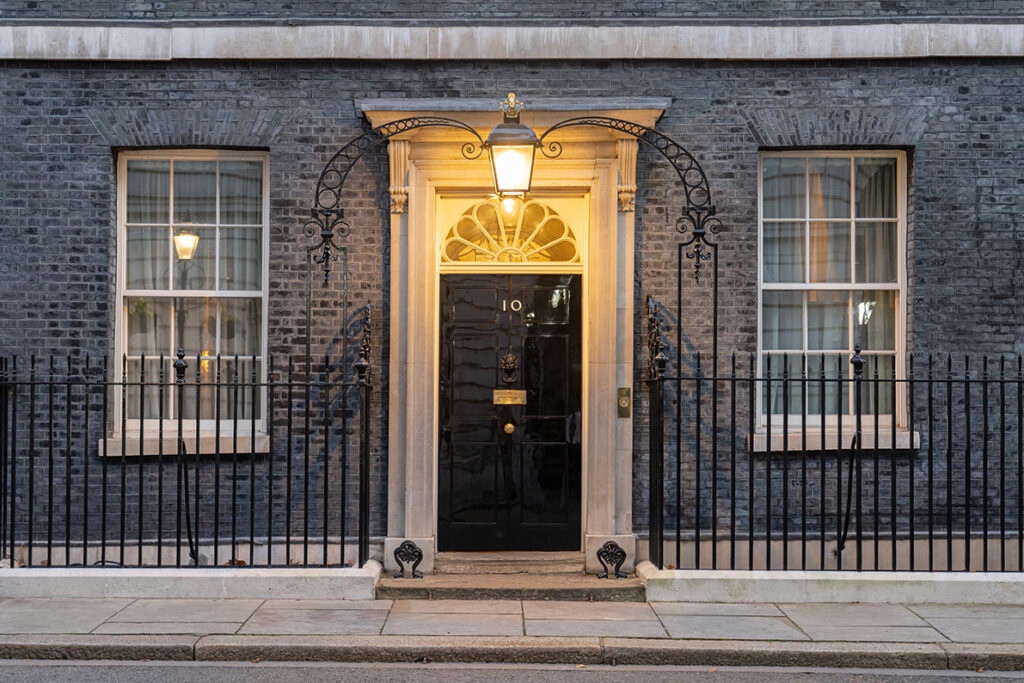
Andy Burnham was sworn in as Prime Minister on 20th July 2026, following Keir Starmer’s resignation and a Labour leadership vote in which Burnham was nominated by over 94% of the parliamentary party.
Burnham’s arrival at Number 10 follows hot on the heels of his nine year tenure as Mayor of Greater Manchester, where he spoke openly about fire safety changes, and set up and chaired the largest regional building safety taskforce in the UK.
Though Burnham starts with a stacked in-tray, there’s yet to be any insight into what he might do regarding any changes to building and fire safety regulations in government. However, we can look at his track record so far to consider potential plans.
Burnham’s fire safety record in Manchester
Following the Grenfell Tower fire in June 2017, Burnham gathered all high-rise landlords from across Greater Manchester to review fire safety measures and take stock of the 178 council and former-council tower blocks in the region. During the summit, Burnham announced
“I have established a task force that will work across the whole of Greater Manchester, building by building, to provide fire safety reassurance.”
The taskforce was put under the watchful eye of Salford City-Mayor Paul Dennett, working directly with the Fire and Rescue Service, Local Authorities and landlords.
The taskforce set out a large region-wide inspection, covering the 500 tall buildings in Greater Manchester and identified that 121 had dangerous cladding systems. Most of the affected buildings were moved onto a temporary evacuation strategy while remediation was arranged.
The inspection led to remediation works on 17 former council-owned high-rises, which had their cladding removed after failing government fire tests, with sprinklers and integrated fire alarms fitted as part of the works.
The taskforce also lobbied the government directly, making a submission to the Housing, Communities and Local Government Select Committee’s inquiry into cladding remediation. It argued that the government’s £1 billion Building Safety Fund would not stretch far enough to cover non-ACM cladding works, estimating that Greater Manchester alone would need around a quarter of the budget.
In 2021, the taskforce took on the wider job of overseeing how the region implements the Grenfell Inquiry’s findings and the new building and fire safety regulations. Its latest project is the Remediation Acceleration Plan 2025-2029, which sets a timeline for fixing every tower block still found with serious fire safety defects.
Burnham has been a vocal advocate for action and reform in this area. In 2024, he called for a ‘Grenfell Law’ at the Labour Party conference, which would provide a legal right for every UK citizen to good, safe, secure housing with a combined authority, similar to the taskforce, designated to deliver it. In addition, he called on the government to cover the upfront cost of remediating the 157 unsafe high-rises still needing work in Greater Manchester.
Where things are now
While Burnham isn’t a fire safety specialist, he spent nine years running the largest regional building safety taskforce in the country and pushing for reform. Now he has the keys to Number 10, he’s better placed to make the changes he called on the previous government to make.
As part of his role he called for a complete ban of combustible materials, a national study into mandating sprinkler retrofits, planning powers given to fire services and remediation works funded upfront by the government.
These requests, plus the Grenfell Law, could now be enacted as part of a Burnham Labour government and see further implementation of the Building Safety Act.
With the duties of a regional mayor vastly different to those of Prime Minister of the UK, it’s unclear if Burnham will make these changes in his first year, against a difficult economic backdrop, but the direction he’s pushed for consistently since 2017, is on record.
The Return of Rayner
Angela Rayner’s return to the housing brief matters here too. Burnham reappointed her Secretary of State for Housing, Communities and Local Government, a role she’d previously held under Starmer. In that earlier stint, Rayner delivered the government’s response to the Grenfell Inquiry, confirming a single construction regulator and ordering a review of the higher-risk building rules. She’s also been candid about the scale of what’s left to do, telling the BBC she was “absolutely astonished” at how few of England’s identified unsafe buildings had actually been fixed. With Rayner running housing policy and Burnham in Number 10, both now have the power to deliver changes they’ve called for over several years, though budget and timing will decide how quickly that happens.
Fire doors specifically get a mention too. The Construction Products Reform White Paper, published in February 2026 as part of the ongoing response to the Grenfell Inquiry, named fire doors as “critical to safe construction,” a category reserved for products where failure puts lives at risk. It also proposes mandatory disclosure of full test histories from manufacturers, and a licensing regime for the bodies that certify products like fire doors, such as BM TRADA and Certifire. Third-party certification for fire doors in high-risk buildings could become a legal requirement rather than best practice, as these proposals move through parliament. The white paper was published under Rayner’s successor, Steve Reed, while she was out of the role, so it’s one she may now pick up and carry forward.
Why it matters
Burnham & Rayner, the two people in charge of building and fire safety in England, both have a recorded outcomes-based wish list for real change when it comes to the sector. With the powers to implement, there’s the potential for them to move things ahead at pace.
The takeaway for our sector
Passive fire protection specialists and compliance teams should watch two things over the coming months: any movement on mandatory sprinkler retrofits for existing high-rises and whether Grenfell Law moves from Burnham’s conference rhetoric to a bill in parliament.
With fire door certification and sprinkler retrofits both moving up the political agenda, now’s a good time to check your building’s compliance position before it becomes a legal requirement. Get in touch with LFS for a fire safety compliance review.